

Protein Timing Myths Debunked: When You Eat Matters Less Than You Think

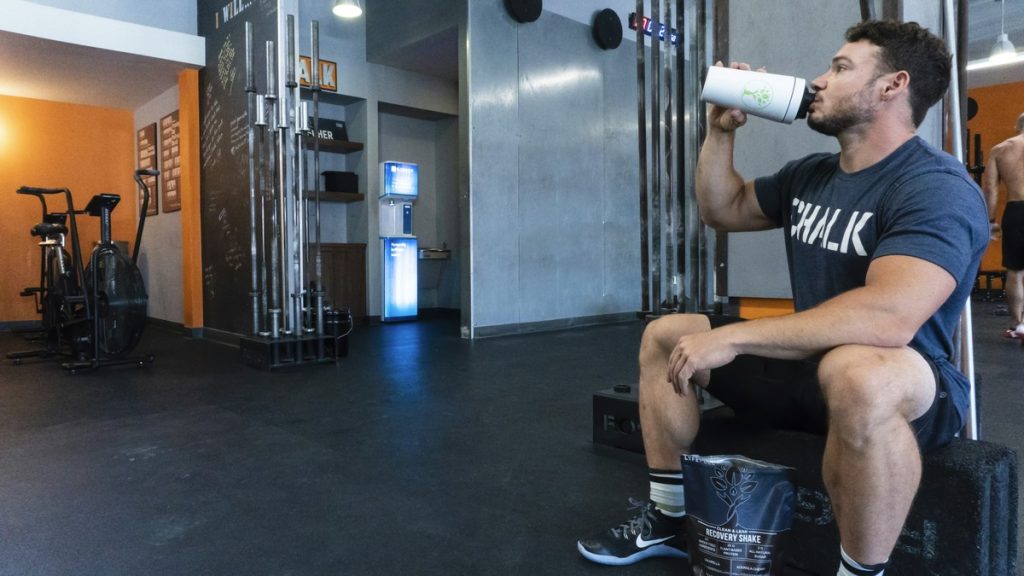
If you’ve ever finished a workout and rushed to chug a protein shake before the clock ran out, you’ve experienced the anabolic window — or at least, the myth of it.
The idea is simple: after a workout, there’s a narrow 30-to-45-minute window where your muscles are primed to absorb protein. Miss it and your workout was wasted. It’s been repeated so often by trainers, supplement companies, and fitness influencers that most people accept it as fact.
But the research tells a different story.
What Is the Anabolic Window?
The anabolic window theory comes from sports science research in the 1990s and early 2000s. Those studies found that consuming protein immediately after resistance training elevated muscle protein synthesis — the process by which your body builds and repairs muscle — compared to delayed intake.
The supplement industry ran with it. Post-workout protein products were marketed as urgent, time-sensitive interventions. The message became: if you’re serious about your training, you need protein in within 30 minutes of your last rep.
It’s a compelling story. It’s also significantly overstated.
What the Research Actually Says
More recent and rigorous research paints a more nuanced picture. A landmark meta-analysis by Schoenfeld and Aragon — one of the most cited studies on protein timing — analyzed 23 studies and found that the most important variable for muscle growth was total daily protein intake, not when you consumed it.
When researchers controlled for total protein consumed throughout the day, the post-workout window effect largely disappeared.
Total Daily Protein Is What Moves the Needle
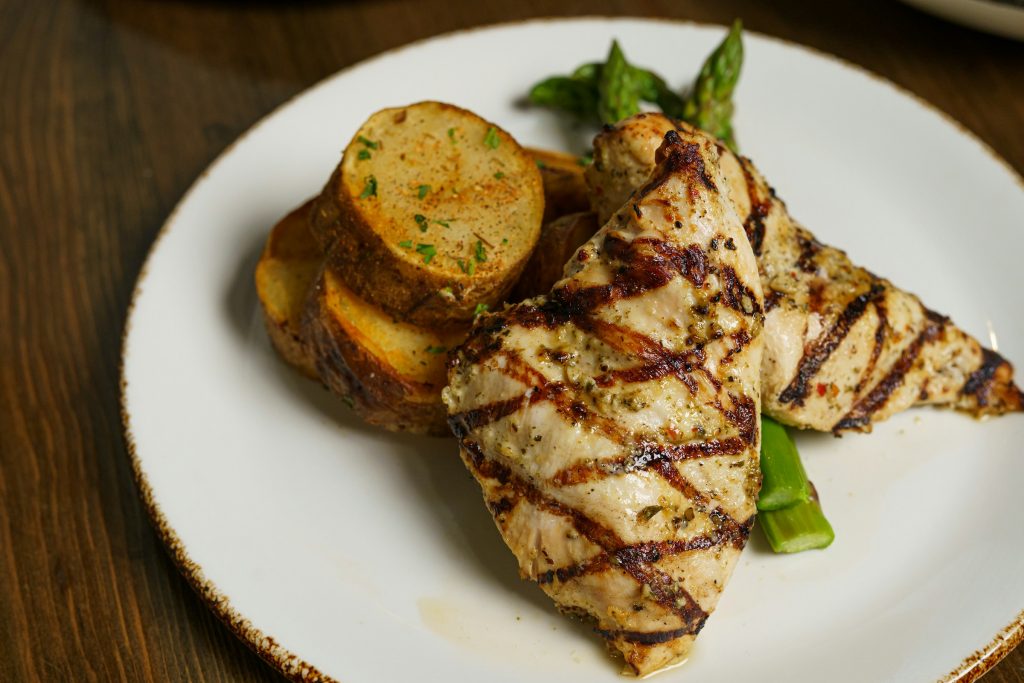
For most people doing resistance training, the target is somewhere between 0.7 and 1.0 grams of protein per pound of bodyweight per day. For a 150-pound person, that’s 105–150 grams daily. Whether you hit some of that at 7:00 pm after a 6:00 pm workout or sit down to a full meal an hour later doesn’t meaningfully change your results.
If you’re consistently meeting your daily target, the window is largely irrelevant.
Meal Frequency Is More Flexible Than You Think
Research on muscle protein synthesis suggests that spreading protein across 3–5 meals per day — each containing at least 20–40 grams — is an effective approach. But you don’t need to eat every two hours, and your body is not counting minutes.
A 2016 review by Morton et al. found no significant difference in muscle gain or strength outcomes between people who distributed protein evenly across meals versus those with a less structured approach — as long as daily totals were met.
The bottom line: your body doesn’t start breaking down muscle if you eat dinner 90 minutes after your workout.
When Protein Timing Does Matter
To be fair, timing isn’t completely irrelevant. There are specific situations where it makes a meaningful difference.
If You Train Fasted
If you consistently work out in a fasted state — especially first thing in the morning with no food for 8+ hours — consuming protein before or shortly after your session may help offset the higher rate of muscle protein breakdown that occurs during fasted training. This is one case where post-workout timing has real practical relevance.
If You’re an Endurance Athlete
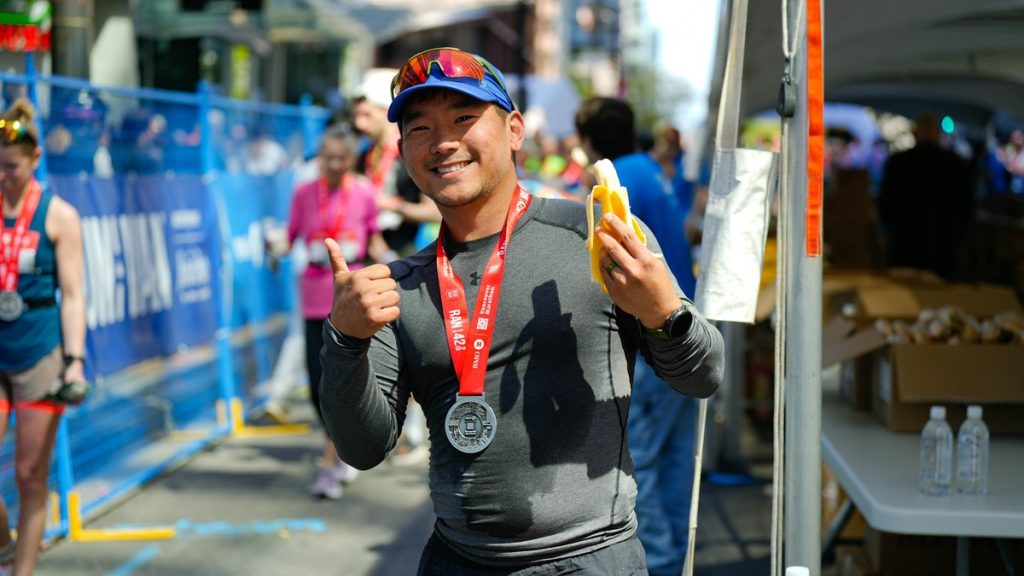
Endurance athletes have different recovery demands than strength athletes. After long runs or prolonged aerobic sessions, consuming carbohydrates and protein within 30–60 minutes can meaningfully support glycogen replenishment and muscle repair — especially if you have another training session within 24 hours. If you’re logging miles on the trails around SLO, this is worth paying attention to.
During a Hard Training Block
During periods of high-volume training — like our 8-week summer strength program — strategic protein timing becomes slightly more important because your recovery demands are higher. Getting a protein-rich meal within a couple hours of your hardest sessions can support better adaptation.
But “within a couple hours” is very different from “within 30 minutes or you’ve wasted your workout.”
A Practical Framework for Real People
Here’s what actually matters, in order of impact:
- Hit your daily protein target. This is the single biggest factor — by a wide margin. Calculate your range (bodyweight in lbs × 0.7–1.0) and build meals around it.
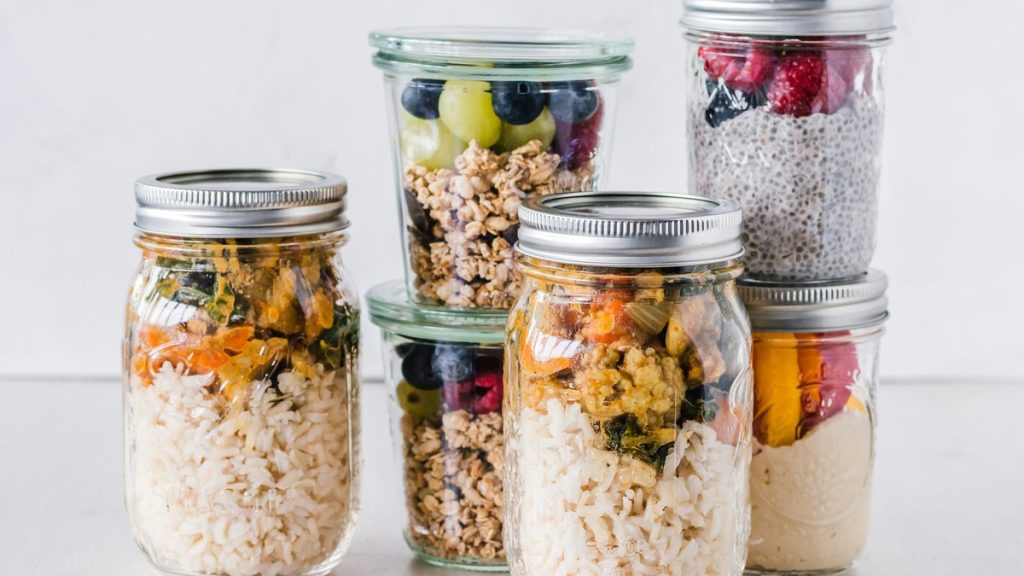
- Spread protein across 3–4 meals. Aim for at least 20–40 grams per meal. A protein source at breakfast, lunch, and dinner gets most people there.
- Eat something after you train — but don’t stress the clock. If you’re hungry after a workout, eat. If you’re not, waiting an hour or two is fine. Your body is not timing you.
- Pay attention to pre-workout nutrition. What you eat in the 2–3 hours before training may matter as much as what you eat after, especially if you’re training in the morning.
- Consistency beats optimization. The person who consistently meets daily protein targets — without obsessing over timing — will outperform someone who hits the 30-minute window some days and skips meals on others.
The Bottom Line
Post-workout protein shakes are convenient — not mandatory. If one helps you hit your daily protein target and you enjoy the routine, keep doing it. But if life gets in the way — you’re tired, not hungry, or have dinner plans — your results are not going to suffer because you missed the window.
The research is clear: what you eat over the course of the day matters far more than when you eat it.
This is the kind of nuance that separates evidence-based nutrition coaching from gym-floor mythology. If you’re tired of conflicting information about protein, macros, and meal timing, that’s exactly what we dig into during nutrition coaching sessions at Peak Fitness. You can also read more about what nutrition coaching actually involves and how hydration plays into overall fueling.
Erin Donahue is a Certified Nutrition Coach (CNC) at Peak Fitness SLO. She specializes in helping active adults fuel their training with evidence-based strategies — no fad diets, no unnecessary supplements, and no obsessing over timing windows. Learn more about nutrition coaching at Peak.