
How to Stay on Track With Your Fitness During the Holidays (Without Being Miserable)
Every year it goes about the same way. Halloween candy shows up in the break room. Then it’s Thanksgiving, holiday parties, travel, family in town, and a calendar so full that the gym is the first thing to go. By January, you feel like you’re starting over.
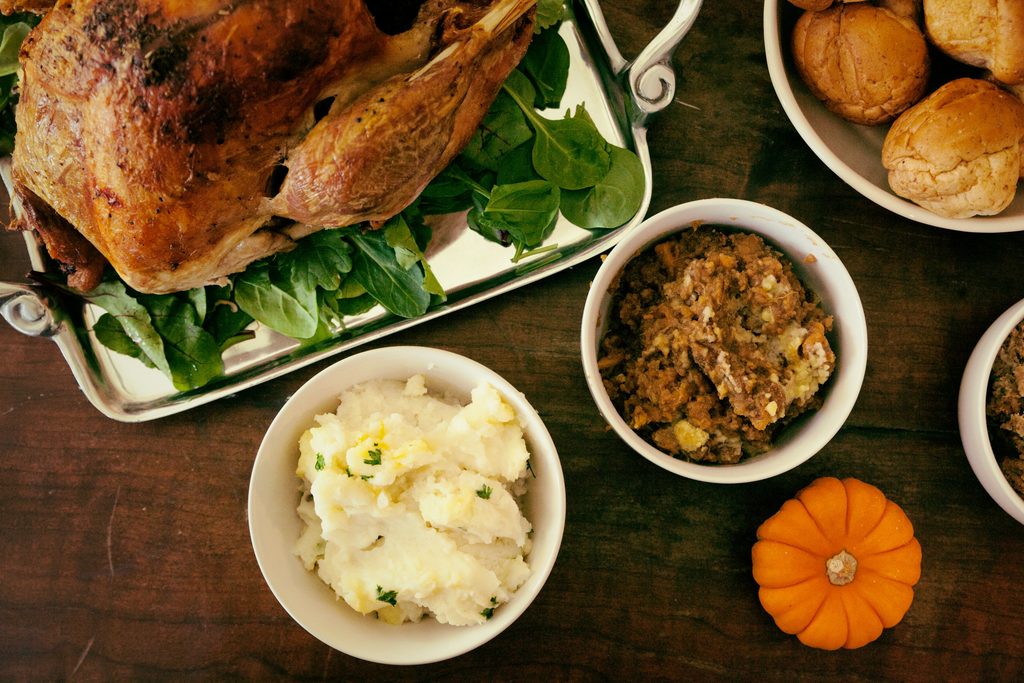
It doesn’t have to go that way. You don’t need to white-knuckle your way through the season, skip dessert, or train harder to “earn” a meal. You need a plan that’s built for the holidays, not one that pretends they aren’t happening. So how do you stay fit during the holidays?
Here’s how to keep your momentum through the end of the year without missing the good parts.
The Truth About Holiday Weight Gain
Start with some good news, because the usual story is wrong.
You’ve probably heard that the average person gains 5 to 10 pounds between Thanksgiving and New Year’s. When researchers at the National Institutes of Health actually measured it, the average gain was much smaller. In a study published in the New England Journal of Medicine, 195 adults gained an average of about 0.37 kg, roughly 0.8 pounds, during the holiday season. According to the American Institute for Cancer Research, fewer than 10% of participants gained more than 5 pounds.
There’s a catch, though. The same study found that the holiday pound mostly didn’t come back off. People weren’t losing it in the spring or summer, so it added up year after year.
That changes the goal. You don’t need to prevent a dramatic 10-pound gain. You need to avoid the small, sticky drift that builds slowly over time. That’s very doable.
Shift Your Goal From Progress to Maintenance
This is the most useful mindset change you can make for the next eight weeks.
For most people, November and December are not the time to chase a personal record or start an aggressive cut. Your schedule, sleep, and food will all be less predictable. Trying to make big progress under those conditions usually leads to frustration, and then to quitting.
Maintenance is a win. If you walk into January at the same strength and roughly the same weight as you are today, you’re ahead of most people. You’ll also be starting the new year with momentum instead of from scratch.
When your schedule settles down again, you can go back to building with progressive overload. For now, the job is holding your ground.
You Need Less Training Than You Think to Keep Your Progress
This is where the research gets encouraging.
In a study published in Medicine & Science in Sports & Exercise, adults first did 16 weeks of resistance training three days a week. Then some cut back to one-third or even one-ninth of their original training volume for 32 weeks. Both reduced-volume groups kept their strength gains, and the younger adults kept their muscle size as well. Older adults needed the higher of the two maintenance doses to keep their muscle size, though their strength held up well either way.
In practical terms, the one-ninth group was doing about one set per exercise, once a week, and still held onto their strength.
That doesn’t mean you should train once a week all season. But it should take a lot of pressure off. A short workout isn’t a wasted workout. Missing a week isn’t the end of your progress. What matters most is not stopping completely.
Build a Holiday Training Schedule That Actually Fits
Plan Your Minimum, Not Your Maximum
Look at your calendar for November and December and decide on the least you’re committed to doing each week. For most people, that’s two strength sessions. If you get three, great. If you get two, you’re on track.
Setting a realistic minimum works better than an ambitious plan you’ll keep falling behind on. We talk more about this in how to build a workout routine that actually sticks.
Have a 30-Minute Version Ready
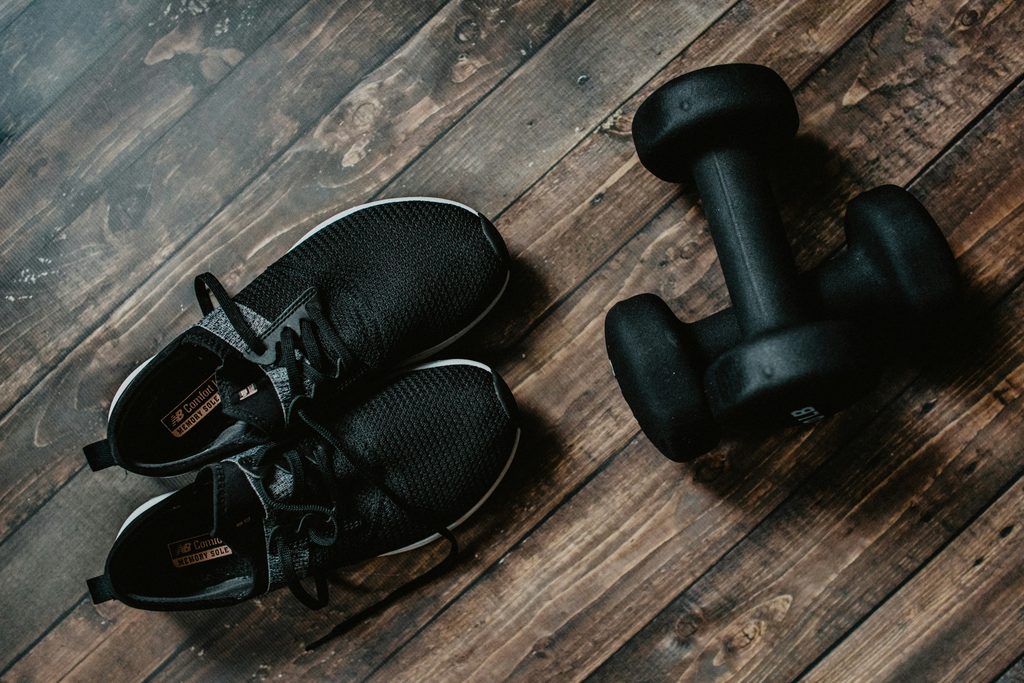
Before the season starts, write down a short, full-body workout you can do when time is tight:
- Squat or goblet squat: 3 sets
- Romanian dead lift or hip thrust: 3 sets
- Push-up or dumbbell press: 3 sets
- Row or lat pull down: 3 sets
Super-set the upper and lower body moves to keep it moving. Four exercises, 30 minutes, and you’ve hit every major muscle group. When the week gets chaotic, you’re not deciding what to do. You’re just doing it.
Train Earlier in the Day
Holiday evenings fill up fast with parties, shopping, and family plans. Morning workouts are the hardest to get bumped. At Peak Fitness SLO, mobile access is open 24/7/365, so a 6 AM session before work is always an option, including on holidays.
Schedule Workouts Like Appointments
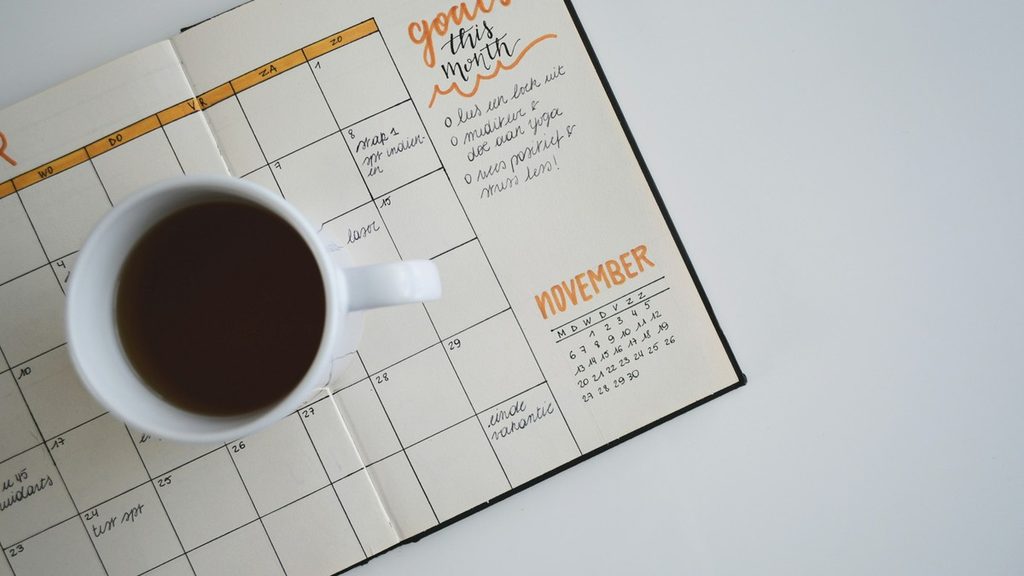
Put them in your calendar with the same weight as a meeting. When someone asks if you’re free Tuesday at 6 AM, you’re not. A trainer helps here too. It’s a lot harder to skip a session when someone is expecting you.
Eating Through the Holidays Without Guilt
You can enjoy the food. The goal is to enjoy it on purpose, rather than eating your way through a whole season on autopilot.

Treat Holidays as Days, Not a Season
Thanksgiving is one day. A holiday party is one evening. The trouble usually isn’t the big meals. It’s the leftovers, the office treats, and the “I’ll start again in January” attitude that stretches one day into six weeks.
Enjoy the real occasions fully. Then go back to your normal routine with the next meal, not the next Monday.
Don’t “Save Up” Calories
Skipping breakfast and lunch to make room for a big dinner usually backfires. You arrive starving and eat faster and more than you planned. Eat normal, protein-rich meals earlier in the day so you show up to the event hungry, not ravenous.
Lead With Protein and Vegetables
At a holiday meal, fill part of your plate with turkey, ham, or another protein and some vegetables first, then add the sides you really love. Protein helps you feel full longer. And you don’t need to time it perfectly around your workouts. As we covered in our protein timing guide, your total for the day matters far more than the timing.
Pick Your Favorites
You don’t need a spoonful of everything on the table. Choose the dishes you actually look forward to all year and skip the ones you’re eating out of habit. If grandma’s pie is the highlight, have the pie and pass on the store-bought rolls.
Watch the Drinks
Alcohol adds calories quickly, lowers your resolve around food, and hurts your sleep, which then hurts your training the next day. A simple rule of thumb: alternate every drink with a glass of water. That alone slows your pace and helps you stay hydrated. We covered more on this in hydration for performance.
Stay Active Outside the Gym
Some of the most useful activity during the holidays doesn’t happen in the gym.
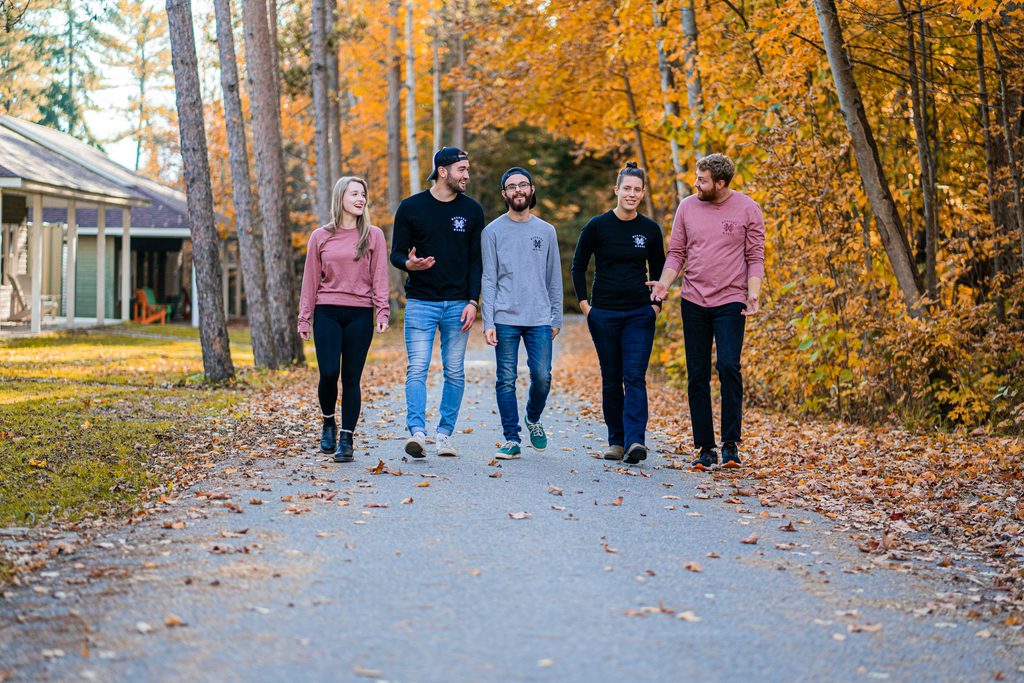
Walk after big meals. A 15- to 20-minute walk after Thanksgiving dinner helps with digestion and gets everyone out of the house. It’s also a good way to spend time with family that doesn’t involve the couch.
Make it social. Instead of meeting a friend for drinks, meet for a hike. Late fall is one of the best times of year to get outside on the Central Coast, with cooler temperatures and clear days. If you need ideas, our guide to trail runs near San Luis Obispo has five good options, many of which work just as well as hikes.
Keep your steps up when traveling. If you’re out of town, explore on foot, take the stairs, and look for a local gym or park. A hotel room workout with body-weight squats, push-ups, lunges, and planks is better than nothing.
Protect Your Sleep
Sleep is the part of the holidays that people sacrifice first and miss most. Late nights, travel, alcohol, and stress all make sleep worse, and poor sleep makes almost everything else harder. You’re hungrier, less motivated to train, and more likely to grab whatever is convenient.
You won’t have perfect sleep every night through December. But trying to keep a reasonably consistent wake-up time, even after a late night, helps keep your energy and appetite steadier.

What to Do When You Fall Off
You will probably miss some workouts. You’ll probably overeat at least once. That’s normal, and it’s not a reason to give up for the rest of the year.
A few things to keep in mind:
- One meal can’t undo months of work. Neither can one missed week.
- Use the “never miss twice” rule. One skipped workout is life. Two in a row starts a pattern. Get back to the next scheduled session.
- Skip the punishment workout. Doing extra cardio to “burn off” a holiday meal turns food into something you have to earn. Just go back to your normal routine.
- Lower the bar instead of quitting. If your full workout feels impossible, do the 30-minute version. If that feels impossible, do 10 minutes. Showing up keeps the habit alive.
A Simple Holiday Game Plan
If you only take a few things from this post, take these:
- Aim for maintenance, not progress. Holding your ground through December is a win.
- Commit to a minimum of two strength sessions a week. Short sessions still count.
- Have a 30-minute workout ready for busy weeks.
- Enjoy the actual holidays, then get back to normal at the next meal.
- Eat protein early in the day and skip the “saving up” strategy.
- Walk after big meals and keep moving outdoors.
- Never miss twice.
The Bottom Line
The holidays aren’t the enemy of your fitness. All-or-nothing thinking is. You don’t need a perfect season. You need a good-enough one: a couple of workouts a week, meals you actually enjoy, and a quick return to your routine when things go sideways.
Do that, and you’ll start January ahead of where most people are, without having missed any of the moments that make the season worth celebrating.
If you want help building a holiday plan around your schedule, our trainers at Peak Fitness SLO can put together a maintenance program that fits a busy season. And if holiday eating is where you need the most support, nutrition coaching can help you build a realistic strategy that doesn’t involve guilt or restriction.
Peak Fitness SLO is a private, full-service gym at 81 Higuera Street, Suite 130, San Luis Obispo. Open 24/7/365 with mobile access, including holidays. Questions? Email hello@PeakFitnessSLO.com or call (805) 329-9086.